What Is an EOI in Real Estate?
An EOI, short for expression of interest, is you raising a hand. You are telling a developer that a project which has not launched yet might suit you and asking to be kept in the loop. Most people get launch updates in return, and some developers also offer an early peek at the price list or a better spot in the queue when units open for selection.
What it costs you differs from one developer to the next. Sometimes it costs nothing but your contact details. Sometimes a cheque or transfer goes with the form, which developers usually describe as returnable. Finding out which kind of job you are being offered is the first job.
Three Payments That Sound Alike
Think of a restaurant that is still being built. An EOI is leaving your number at the door so they call you when it opens. A token amount is reserving a table for opening night. A booking amount is paying for the meal in advance and choosing your seat. All three feel like small steps, but the further along you go, the harder it is to walk away with your money.
In property, the real contract comes later, in the agreement for sale. That document fixes the price, the area you are paying for, the payment schedule and the date you get the keys. Until you hold it, be careful about relying on anything said at a launch event or on a phone call.
What You Should Not Assume You Are Getting
Suppose you register interest in a 3 BHK on a high floor. At launch the price list may show a different rate, that floor may carry a premium, or the plan may have changed. In most cases an EOI entitles you to be told about this, not to hold the developer to what a salesperson said earlier. It does not usually reserve a specific unit, fix a price or promise that the project will open on a particular date.
None of this makes an EOI pointless. It means you should treat it as an early signal of interest and not as a purchase.
Where RERA Comes In
Section 3 of the RERA Act is about the order of events: a project is meant to be registered first and sold afterwards. Some lawyers read an EOI cheque as the start of selling, and so as a problem if the project has no registration. Haryana’s regulator has acted in cases where booking money was collected under the EOI label before registration. Developers in other places treat a refundable EOI as an ordinary pre-launch step. It is a legal question we cannot settle for you, and the answer may differ by state.
You can protect yourself without settling it. If the ask involves money and you have not verified a RERA number on the Karnataka RERA portal, wait. If the ask is only your name and phone number, you have little at risk. If you do pay, get the terms in writing, and remember Section 13, which stops a developer taking more than a tenth of the price before a registered agreement for sale is in place.
A Three-Question Test
Before you register anything, put three questions to yourself. What am I giving: only my details, or money as well? What am I getting: a place in a queue, a fixed price, or just updates? And what happens if it falls through: do I get all my money back, how fast, and into which account? If the salesperson cannot answer all three clearly, that tells you something.
What the Paperwork Should Say
If any money changes hands, the receipt should say who received it, how much, what it is for, and whether and when it can be refunded. A line such as “received as a refundable expression-of-interest deposit for [project name], returnable on request within [number] days” is the kind of wording to look for. That is an illustration of the detail to ask for, not legal text, so have a lawyer read anything you are asked to sign.
Find out who is actually collecting the money, the developer or an agent, and check that the name on the receipt matches. Pay by cheque or bank transfer to the account named in it, and keep proof of payment.
What an EOI Can Reasonably Do for You
At its best, an EOI gets you information early, a first look at the price list and, at some launches, an earlier go at choosing a unit. It cannot promise the final price, the discount or the timeline, and the benefits differ between projects. Compare any early offer with what a buyer gets once bookings open before deciding it is worth the effort.
Where Sobha Mullur Stands
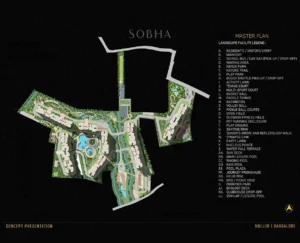
The Sobha project planned on Sarjapur Road near Wipro’s Kodathi campus, Sobha Mullur, has not yet been registered with RERA, and sizes, prices and timelines can still change. If you want to register your interest, ask the sales team what that involves, whether any money is taken and on what terms, and ask for the answer in writing. Hold back any payment until a RERA number exists and you have checked it yourself. Our pre-launch RERA checklist takes you through each check in order, and our guide to investing in an apartment in Mullur is the place to start if returns are your goal.
Questions People Ask About EOIs
Does an EOI mean I have bought something?
No. It is an early signal of interest, and it is normally non-binding. Read every form and receipt, because terms differ between developers.
Can I get my EOI money back?
Developers generally describe the amount as returnable, but that depends on what you are given in writing. Ask for the refund terms before you pay.
EOI or booking: which one commits me?
The booking amount does more of the committing. It confirms your unit choice and is usually harder to recover. Neither is the agreement for sale, which is the contract that matters.
Is it safe to pay when there is no RERA number?
We cannot give legal advice, but the cautious course is to pay nothing until you have verified a number. Section 3 expects registration before selling, and some regulators have treated early collections as a problem.
Will I lose my chance if I skip the EOI?
Not necessarily. An EOI may bring early information or priority, but it is not normally a requirement for buying once bookings open.
Who should I pay, the developer or an agent?
Ask in advance who is authorised to receive money, get a written receipt in that name and use a traceable payment method. If anything is unclear, ask the developer directly.
Want to Read More First?
The Sobha Mullur apartments page sets out the facts we have on the project, and the living in Mullur guide describes what the area is like day to day.
Treat this as general information and not as legal or financial advice. Laws and project details move, so check the official portal and speak to a professional before you pay. For Sobha Mullur, every detail stays tentative until approvals and RERA registration are in place